GST e-invoicing: who needs it and how it changes your billing
"E-invoice" sounds like any invoice sent by email, but under GST it means something specific: an invoice reported to a government portal, the Invoice Registration Portal (IRP), which validates it and returns a unique reference. If your business crosses the turnover threshold, a B2B invoice without that reference isn't treated as a valid invoice.
How e-invoicing works, step by step
- You create the invoice in your billing software as usual.
- The invoice details are sent to the IRP in a standard format, either by your software directly or by uploading a file.
- The IRP validates it and generates an IRN (Invoice Reference Number), a unique 64-character hash.
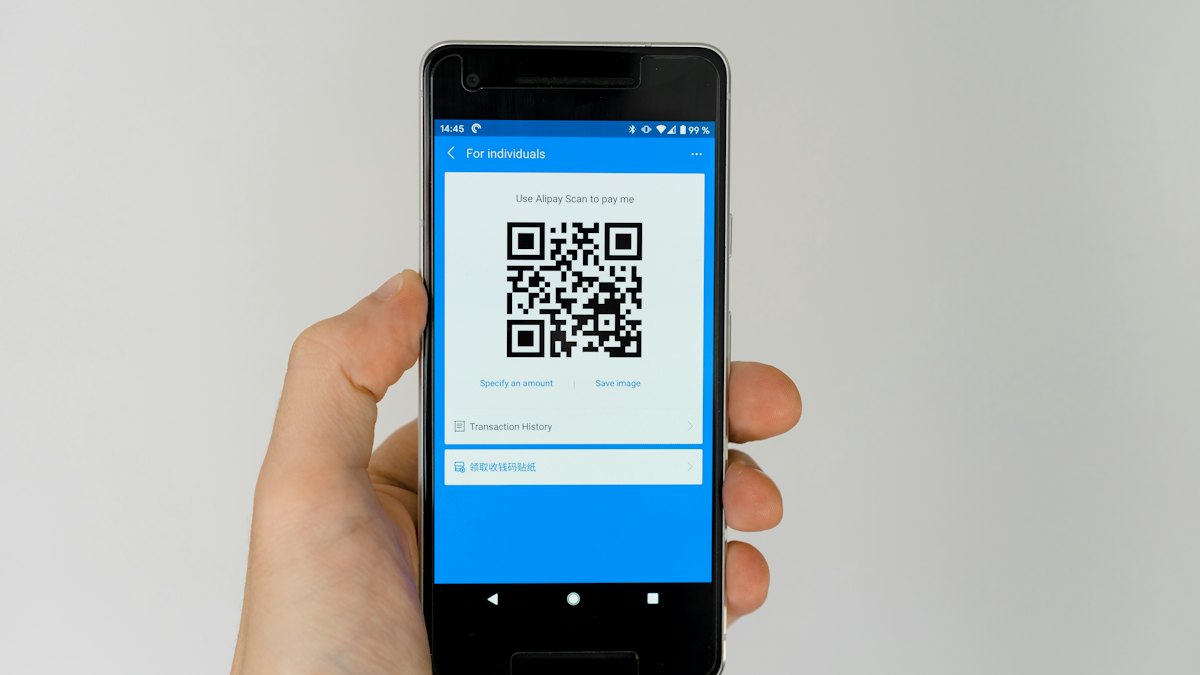
- It returns a digitally signed QR code that you print on the invoice.
- The details flow into GST systems, including your GSTR-1, which reduces data entry at filing time.
Who must e-invoice?
E-invoicing is mandatory for businesses whose aggregate annual turnover has crossed a threshold in any financial year since 2017-18. The threshold has been lowered in stages. It now catches businesses with turnover of a few crore rupees, not just large companies. Some sectors are exempt, including banks and financial institutions, insurance companies, passenger transport and certain government departments. Check the current threshold and exemptions, because they have changed several times.
Which documents are covered?
- Tax invoices for B2B supplies (to registered buyers)
- Credit notes and debit notes for B2B supplies
- Exports, which are treated as B2B for this purpose
Ordinary B2C sales to consumers don't need an IRN, though larger businesses have separate requirements for a dynamic QR code on B2C invoices.
What changes day to day
- Accuracy matters more. The IRP rejects invoices with invalid GSTINs, wrong state codes or impossible HSN codes. Clean master data prevents rejections.
- Cancellation has a short window. An e-invoice can only be cancelled on the portal within a limited time. After that, corrections need a credit note.
- Timing rules apply. Larger businesses must report invoices to the IRP within a set number of days of the invoice date.
- Printing changes. The IRN and the signed QR code must appear on the printed invoice.
How to prepare, even before you cross the threshold
- Clean your party master. Every B2B customer should have a valid GSTIN and the correct state.
- Clean your item master. Every item needs a correct HSN code and tax rate.
- Use one invoice series per branch with no gaps or duplicates.
- Keep B2B and B2C clearly separated in your billing.
Businesses that do this find the switch to e-invoicing painless, because the data the IRP checks is already right.
Where Kashvo fits
Kashvo already keeps the information e-invoicing depends on: party GSTINs and states, HSN codes and tax rates on every item, and gap-free invoice numbering. That makes your invoices e-invoice-ready in their content. Talk to us on +91 85906 42039 about your e-invoicing timeline.
General information, not tax advice. Thresholds and rules change, so confirm your obligations with your tax advisor.